
Rural awareness generation
Very few people use their rights. MGPS staff and village field workers meet unemployed youth and others, in groups and individually, to explain each right – especially women’s rights – and guide them as needed.
Education for all, healthy mothers and healthy children, and control of the HIV/AIDS epidemic – delivered through practical, community-led programmes.
Stop AIDS, keep the promise. Every year MGPS organises a rally on World AIDS Day and runs regular awareness programmes on the concept, symptoms and prevention of HIV. The focus is on female sex workers (FSWs) and injecting drug users (IDUs). The Targeted Intervention project runs with assistance from NACO. Beneficiaries receive STI/STD treatment with strict confidentiality; blood samples are sent to NICD Delhi for verification, and HIV-positive patients are networked with MGPS and referred to ICTC or ART centres.
Educating high-risk groups about AIDS and counselling them to adopt healthy behaviour.
Counselling, testing, abscess management and treatment, advocacy meetings with stakeholders, networking, drop-in centre, health services, GDs and FGDs.
Condom use among the group was nil before our work and has risen substantially. Approximately 70% of the population allotted by the State AIDS Control Society has been tested for HIV.
Regular meetings with peers, outreach workers and counsellors. Awareness is high, a good rapport is built, and the population now uses safety measures and healthy behaviour.


MGPS stresses skill development in rural areas: finding peers to work with groups and motivating others to improve their skills. Over the years we have run many Rural Entrepreneurship Development Programmes (REDP) in Punjab, Himachal and Haryana with assistance from NABARD Chandigarh. We also run Skill Development Initiative (SDI) programmes for unskilled youth, who are trained in a skill and helped to link with banks for loans.
To raise the income-generating capacity of women and make them competent.
Skill Development Programmes (SDI/SDP) and Rural Entrepreneurship Development Programmes.
Women are doing well in society after vocational training and have raised their income-generating activities.
Staff keep a close check and motivate participants. Awareness and rapport have helped women form their own self-help groups.


To reduce maternal and infant mortality, the organisation took up the Janani Suvidha Yojna. It involves private health providers to improve access to good-quality antenatal, natal and postnatal services for pregnant mothers in urban slums, and provides contraceptives, vaccines and other supplies to the urban poor.
10 Sakhis in the areas follow up each pregnancy until delivery.
In the last three years, not a single abnormality has arisen with a newborn.
Sakhis are supervised by a project coordinator. The work has been appreciated and is still running.


We organise health check-up camps in areas of need so poor women do not have to travel far for treatment. Awareness camps in urban slums and rural areas cover female foeticide, gender sensitisation and education. We constantly work to improve the economic and social status of women and the health of children.
Camps for women with STI/STDs who hesitate to go for a check-up.
Health practitioners volunteer their services, and various vocational training programmes are organised.
Beneficiaries trained in skill development programmes have raised their socio-economic status.


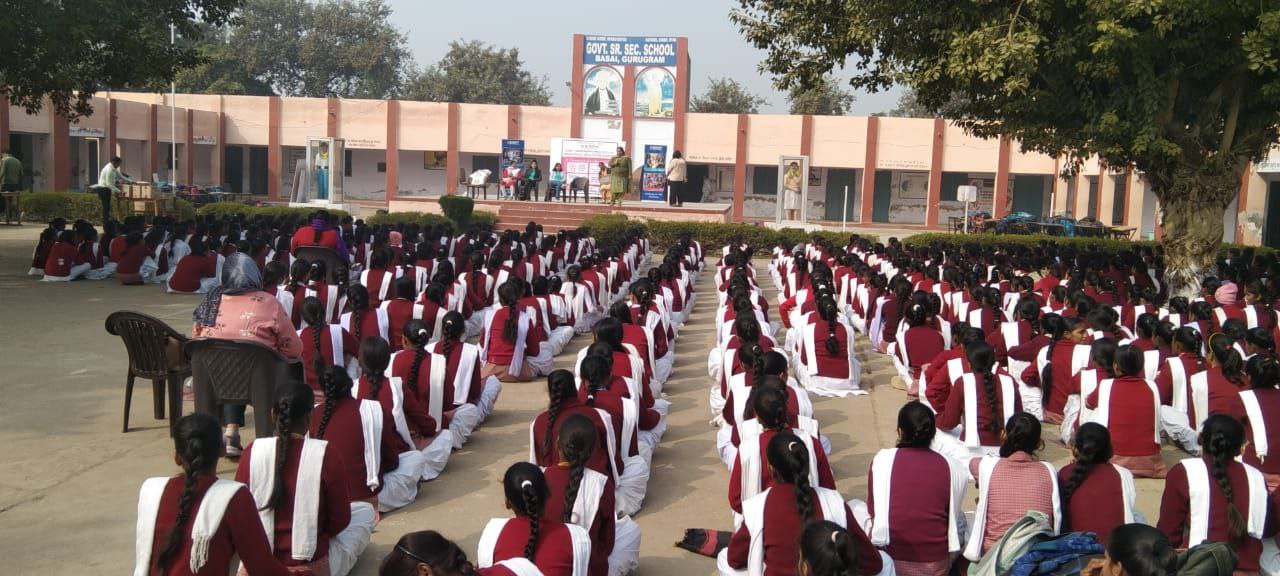

Road accidents are rising every hour, so MGPS runs road safety awareness campaigns. We have distributed free reflectors, held eye check-up camps for drivers and distributed spectacles. Street plays (nukkad nataks) and puppet shows with entertaining scripts explain road signs and rules.
To encourage safe behaviour on roads and safe driving.
Seminars, lectures, road shows and puppet shows on the streets.
People are more aware of road rules and regulations.
Staff monitor activities and motivate the community, who now follow safety measures on the road.


We build awareness among parents about the misuse of and dangers associated with child labour, and run campaigns and non-formal education centres to reduce it – including care for children of migrant labour living in pockets. MGPS also addresses children’s vulnerability to disease and drug addiction, and focuses on drop-out children and those who have never attended school due to financial problems, especially girls. We run alternative and innovative education centres and AIE/vocational centres, with monthly training for volunteer teachers.
An education centre for children of FSWs who are denied school admission because of their parents’ profession.
Motivate and guide children towards formal education for a better future.
Alternative Innovative Education Centres opened in the areas. Children were admitted to government or private schools, with learning material, instructors and a mid-day meal. Health camps at brick kilns and first-aid kits were also provided.
More than 70% of slum children continue their formal education.
Government evaluation, follow-ups and monthly meetings were held. The work was appreciated and has a sustainable centre.


The organisation counsels families in dispute – our counsellors try their best to patch up differences. We also organise legal awareness programmes. The society runs a counselling centre for both men and women.
Very few people use their rights. MGPS staff and village field workers meet unemployed youth and others, in groups and individually, to explain each right – especially women’s rights – and guide them as needed.
MGPS has formed self-help groups and links them to banks for credit, helping members improve their economic and social status.
Plays, puppet shows, nukkad nataks and folk dances, plus seminars, competitions and debates for students, help people understand beliefs, customs and values.
Women are immunised against diphtheria, tetanus, whooping cough and tuberculosis. Children receive typhoid vaccine, polio drops and measles immunisation.
We run environmental campaigns with school children as the target group – on controlling pollution and using water properly – because they spread awareness. MGPS has also promoted tree plantation in schools, colleges, hospitals and cremation grounds since 1998.


